
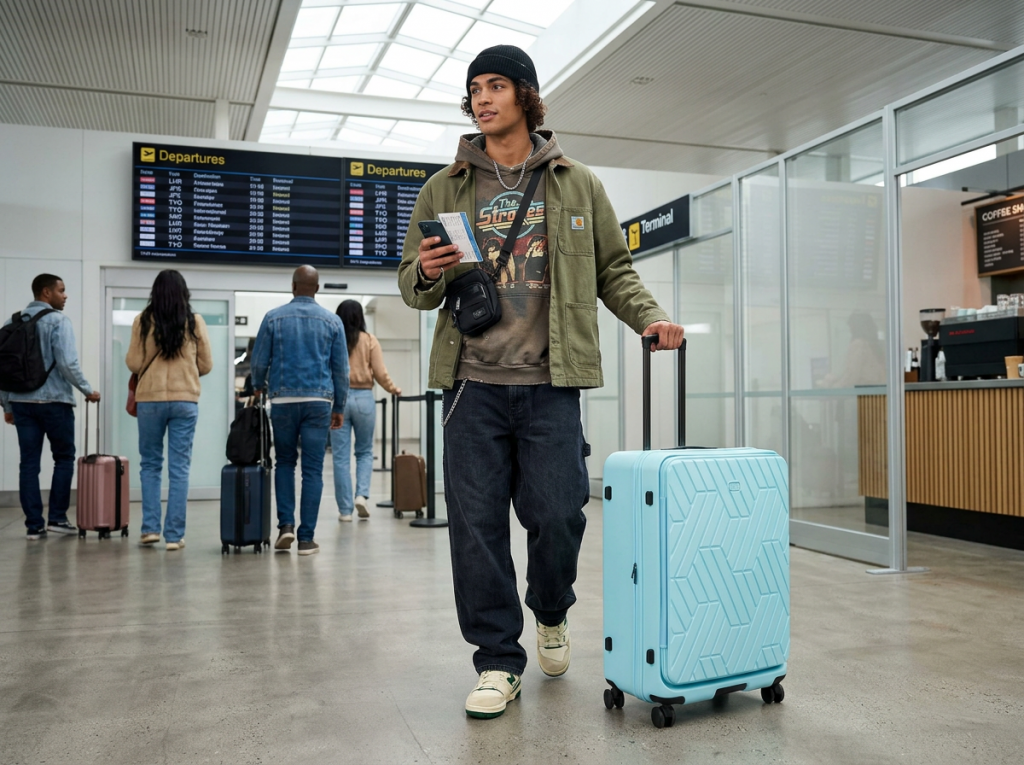
There’s a specific kind of mental noise that shows up the moment you open a suitcase and have no idea where anything is. You’re running late, you need your charging cable, and somehow it has migrated to the bottom corner underneath three days of clothes. That friction — small but relentless — is what bad luggage design costs you on every trip.
Organization in travel gear isn’t just about pockets. It’s about how your brain interfaces with your bag. And when that relationship is working well, you barely notice it. You just move.
The Lug BoxTruck is built around exactly that idea.
What Makes the Lug BoxTruck Worth Your Attention
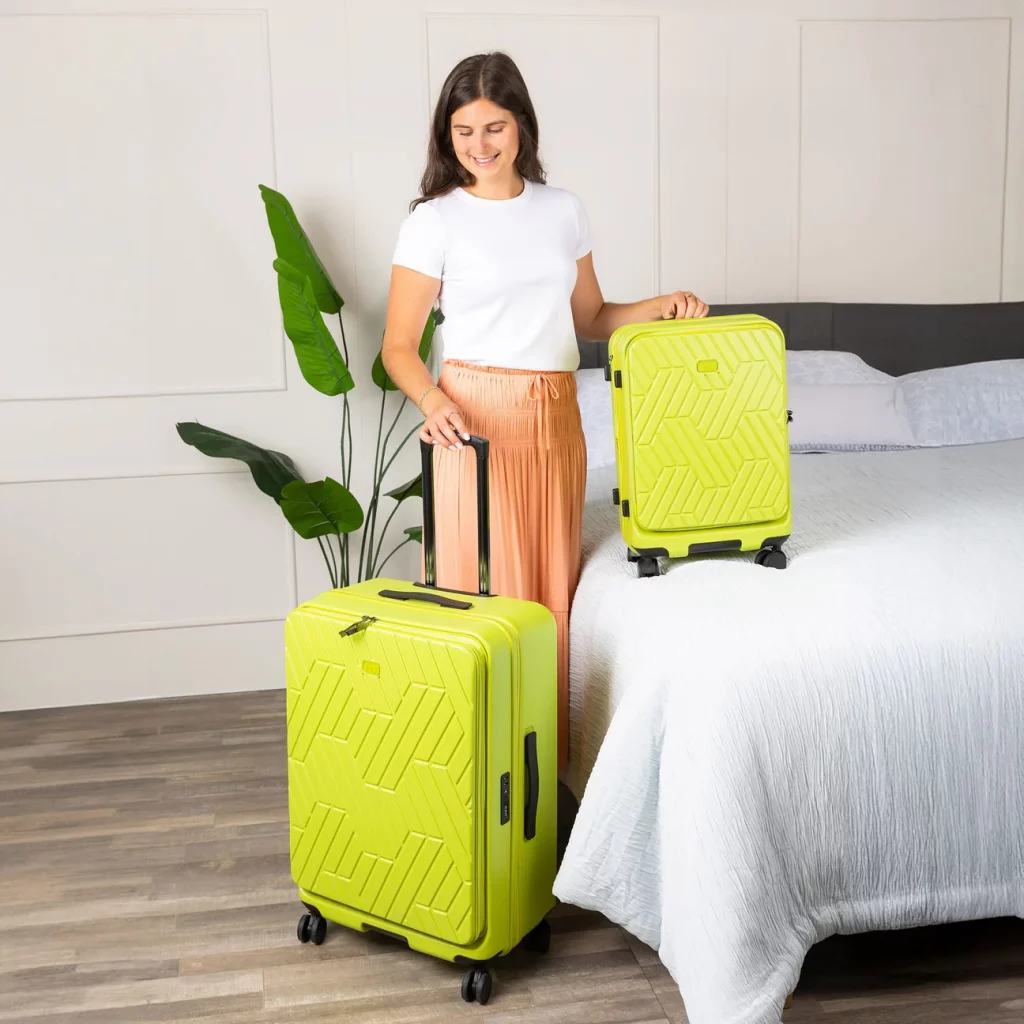
The Box Truck Hard Sided Wheelie Checked Bag is a hard-sided checked luggage piece from Lug, designed with a modular interior organization system that makes unpacking and repacking feel genuinely intuitive rather than like a Tetris session at 6am. It’s not just a suitcase — it’s a packing philosophy with wheels.
Quick answer: The Lug BoxTruck keeps you organized through a combination of hard-sided structure, cubed interior compartments, and a layout that separates categories of gear without requiring you to think too hard about placement. It’s particularly useful for people who pack and unpack frequently, travel with gear that needs protection, or simply want to arrive somewhere without digging.
Key reasons the BoxTruck stands out:
- Hard shell exterior protects contents and maintains shape under pressure
- Interior is divided into logical zones rather than one open cavity
- Spinner wheels for smooth maneuvering in airports and urban environments
- Compact enough to check without overshooting weight limits immediately
- Design aesthetic that feels considered rather than generic
| Feature | BoxTruck Advantage | Common Suitcase Behavior |
|---|---|---|
| Interior layout | Sectioned, zone-based | One open cavity |
| Exterior shell | Hard-sided, structured | Often soft and compressible |
| Wheel system | Smooth spinner | Inconsistent tracking |
| Packing method | Category-first | Layer-first |
| Visual clarity on open | Immediate | Requires digging |
The Problem With Most Checked Luggage
Most suitcases are designed around volume, not cognition. They give you a big open space, maybe a mesh zippered panel on one side, and call it “organized.” What you’re actually left with is a bag that requires you to impose all of your own organizational thinking onto it — every single time you pack.
For frequent travelers, that’s a manageable tax. You develop your systems, your folding methods, your zones. But for most people — especially those who travel a few times a year, carry a variety of gear types, or deal with the mental overhead that comes with executive function challenges — that open-cavity model is a silent source of chaos.
The suitcase isn’t helping you think. It’s making you do all the thinking for it.
Hard-sided luggage solves part of this. When the exterior maintains its shape regardless of what’s inside, the interior can be designed with more intention. Soft bags compress and distort based on how they’re packed. Hard shells hold a consistent form, which means the interior architecture can actually stay reliable.
The BoxTruck takes that structural advantage and builds on it with a genuinely thoughtful interior layout.
Introducing the Zone-Load Method
Here’s a framework worth naming, because it changes how you think about suitcase design in general.
The Zone-Load Method
The Zone-Load Method is a packing philosophy built around assigning specific physical regions of your bag to specific categories of gear — before you start packing, not during. Instead of filling space as you go, you pre-allocate zones to functions.
The three core zones in a checked bag:
Zone 1 — Wearables: Clothing, socks, underwear, anything that gets worn against the body. This zone benefits from packing cubes and benefits most from being at the back of the bag (against the hard shell) since it’s the heaviest category.
Zone 2 — Functional Gear: Cables, adapters, toiletries, health items, anything you might need to access mid-trip. This zone should be toward the top or in secondary compartments — the stuff you reach for without unpacking everything.
Zone 3 — High-Value or Fragile Items: Electronics, glasses, documents, anything that needs protection or quick retrieval. This zone benefits most from the structural rigidity a hard-sided bag provides.
When a suitcase’s interior layout aligns with Zone-Load thinking — meaning it has natural physical dividers that mirror these categories — you stop having to impose your own system from scratch on every trip. The bag does some of the cognitive work for you.
The Lug BoxTruck interior layout maps reasonably well to this framework. The structured shell keeps Zone 1 stable. The internal dividers and pockets support Zone 2 accessibility. The firm walls protect Zone 3 items without requiring dedicated padded sleeves for everything.
This is why the bag earns its reputation for keeping people organized. It’s not magic. It’s design that respects how humans actually use luggage.
[IMAGE: Side-by-side comparison showing a soft-sided open suitcase with clothing scattered vs. the BoxTruck with items neatly distributed across zones, lit in warm natural light]
Hard-Sided vs. Soft-Sided: What Actually Matters for Organization
A lot of luggage conversation centers on durability and aesthetics when comparing hard-sided to soft-sided bags. Less attention goes to what the shell choice means for your packing psychology.
Hard-sided bags:
- Maintain consistent interior dimensions regardless of packing
- Protect fragile items passively without extra padding
- Close firmly with a defined “full” point — you know when you’ve reached capacity
- Generally resist compression from airline handlers and overhead bins (though this matters less for checked bags)
Soft-sided bags:
- Allow overpacking through compression, which often leads to disorganization
- Can feel more flexible for oddly shaped items
- Interior tends to shift during transit, moving things from where you placed them
- The mesh divider panel common to soft bags is rarely enough actual organization
The honest trade-off: soft bags can carry slightly more if you’re willing to pack them hard. Hard bags set a firm boundary. For most organized packers, that boundary is a feature, not a limitation. It forces intentional packing.
If you’ve ever arrived somewhere, opened your bag, and found that everything had shuffled into one chaotic layer — that’s a soft-bag problem. The structure of the BoxTruck’s shell means that what you put where stays roughly where you put it.

What the BoxTruck Actually Looks Like to Use
Let’s get specific about the day-to-day experience of packing and using this bag, because that’s where organizational claims get tested.
Packing Session
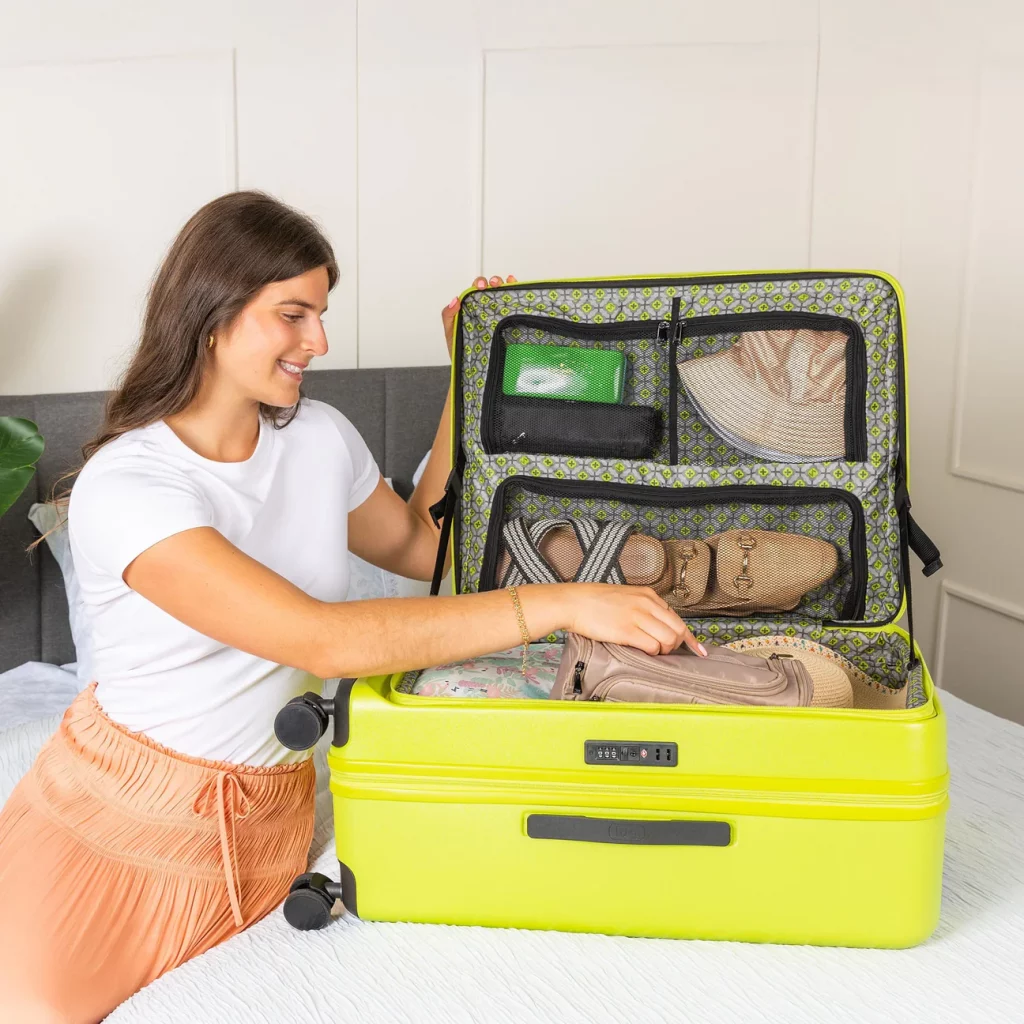
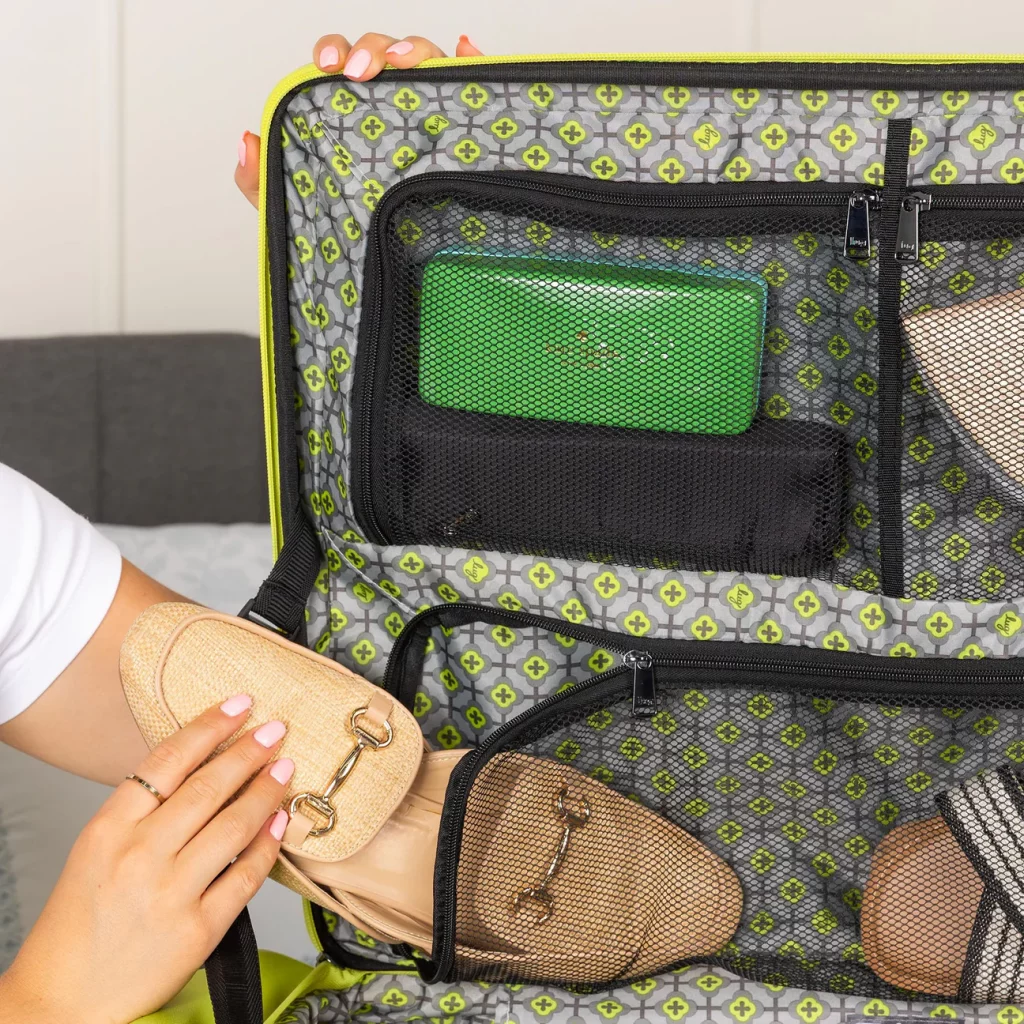
The BoxTruck opens clamshell-style, lying flat. Both halves are accessible simultaneously, which is important — it means you’re not excavating one side to reach the other. The interior on each side has a purpose. One side functions as the main body for clothing. The other includes pockets and organizational panels for smaller items.
When you apply the Zone-Load Method here, Zone 1 goes flat on the primary side. Zone 2 items slot into the secondary panels. Zone 3 items get wrapped and placed against the shell walls for passive protection.
Closing the bag is clean. There’s no fighting with overflow or readjusting because the hard shell maintains its shape — the bag doesn’t expand or compress to accommodate your uncertainty.
At the Hotel
This is an underrated consideration. Most people think about packing, not unpacking. But how quickly and cleanly you can access your bag at a hotel room determines how organized your entire trip feels.
The BoxTruck’s zone-based interior means you can find what you need without emptying the bag. Charging cable? Zone 2, secondary panel. Fresh shirt? Zone 1, main body. You don’t unpack to find things; you reach.
This sounds minor until you’ve spent ten minutes searching a chaotic soft-side bag at 11pm in a hotel room after a delayed flight.
Repacking to Leave
The real test of any organizational system is whether it holds up on the return trip. When you’re tired, rushed, or simply over it, does your bag still work?
Hard-sided structure helps here because the zones don’t collapse or shift. Zone 1 is still Zone 1 even when you’re half-asleep repacking on checkout morning. The bag remembers its own structure even when you’ve temporarily forgotten yours.
Who the BoxTruck Is Actually For
Not every bag is right for every traveler. The BoxTruck earns strong marks in specific use cases — and it’s worth being direct about where it fits.
Strong fit for:
- Travelers who take 2–8 trips per year and want reliable, low-thought packing
- Anyone who travels with gear that benefits from hard-shell protection (cameras, electronics, fragile items)
- People who deal with decision fatigue or executive function challenges and want a bag that organizes itself
- Style-conscious packers who want something that looks intentional at baggage claim
- Frequent hotel stays where you’re living out of a checked bag for multiple days
Less ideal for:
- Ultralight minimalist packers who carry-on exclusively and never check bags
- Backpacker-style travel where soft flexibility matters more than structure
- Anyone who overpacks consistently and needs compression room — hard bags have hard limits
- Budget travelers for whom the price point is the deciding factor
The honest version: if your travel style values chaos flexibility over organized structure, the BoxTruck’s design philosophy might feel constraining. That’s not a product failure — it’s a design ethos that isn’t for everyone.
The Aesthetic Argument for Structure
There’s a carry-culture angle to the BoxTruck conversation that doesn’t always get enough space.
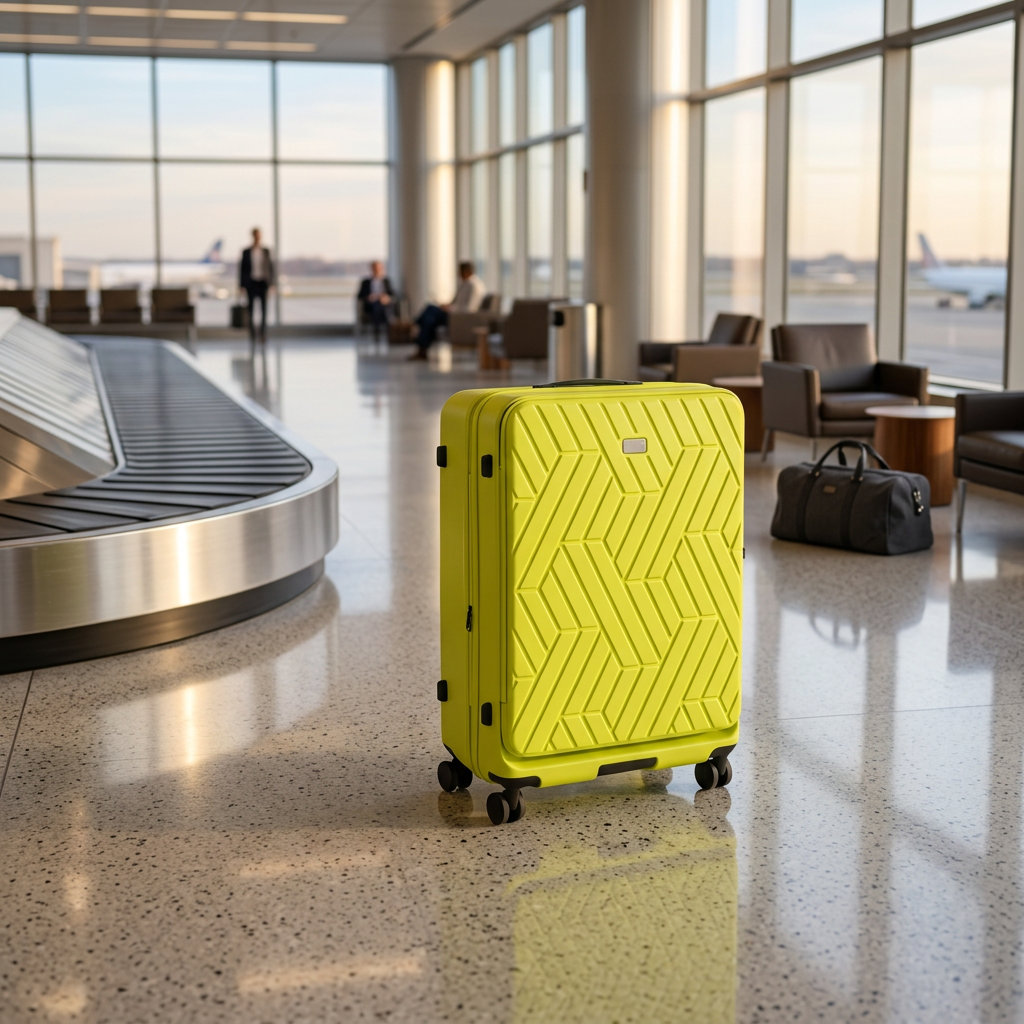
Hard-sided luggage looks different at baggage claim. There’s a visual intentionality to it — the structured silhouette, the defined form, the way it holds its shape regardless of what’s inside. It reads as considered. The BoxTruck carries that aesthetic into its colorways and exterior finish, which feel more like a deliberate design choice than a commodity product.
This matters to a specific kind of traveler: someone who views their entire carry system — from backpack to checked bag — as an extension of personal expression. For that person, the bag isn’t just a container. It’s part of how they move through the world.
The organizational benefits and the aesthetic appeal aren’t in conflict here. They reinforce each other. A bag that looks structured signals that what’s inside is structured. And when you’re pulling a BoxTruck off the carousel, that signal is accurate.
Common Packing Mistakes the BoxTruck Helps You Avoid
Even with a well-designed bag, packing mistakes are easy. Here are a few that the BoxTruck’s structure specifically addresses:
Mistake 1: Packing without zones
Most people pack by category (all shirts together) but without physical zone assignment. The result is that related items are grouped but located randomly. Zone-Load Method fixes this.
Mistake 2: Putting heavy items on top
Heavy items near the exterior top of a bag shift during transport and crush softer items. The BoxTruck’s hard sides distribute pressure differently — but placement still matters. Heaviest items against the back wall, closest to the shell.
Mistake 3: Using only the main cavity
The secondary pockets and panels in organized luggage go underused because people default to the main body. Functional gear — cables, toiletries, documents — belongs in secondary zones, not layered under clothing.
Mistake 4: Packing for the departure, not the return
Most people pack tightly on departure and have no plan for the return trip when clothes are worn, dirty, and space is more chaotic. Hard bags require you to account for return capacity, which actually encourages better packing discipline.
The Zone-Load Scoring Checklist
Use this before every trip as a 60-second pre-pack audit:
Zone 1 — Wearables ✓
- Clothing folded or rolled and placed in main body
- Heaviest items against the back shell
- Dirty laundry bag designated (even if empty at departure)
Zone 2 — Functional Gear ✓
- All cables and chargers in secondary panel or small pouch
- Toiletries in a designated bag within Zone 2
- Any medication accessible without opening Zone 1
Zone 3 — High-Value Items ✓
- Fragile items placed against hard shell walls
- Electronics or valuables identified (and removed to carry-on if possible)
- Documents/travel items in accessible but protected location
Overall Check:
- Bag closes without force
- You can identify where each category lives without searching
- Return packing plan considered
If you can check every box in under 60 seconds, your Zone-Load is solid.
FAQ
Is the Lug BoxTruck good for checked baggage specifically?
Yes. The BoxTruck is designed as a checked wheelie bag. Its hard-sided exterior is built to withstand the handling that checked luggage experiences, and the interior organization is calibrated for multi-day trips where you’re living out of the bag rather than just transporting it.
How does hard-sided luggage stay organized during transit?
Hard-sided bags hold their interior shape because the exterior doesn’t compress or deform during handling. Soft bags shift their contents as the exterior flexes. With a structured shell, items stay roughly where you placed them, which preserves whatever packing system you set up at departure.
Is the BoxTruck worth the price compared to budget checked luggage?
If you travel frequently and value organization, yes. Budget luggage typically sacrifices interior architecture — you get one large cavity and a basic mesh panel. The BoxTruck’s interior zoning saves real time and mental energy across many trips, which compounds in value. For occasional travelers, a budget bag may be sufficient.
What packing cubes work well with the BoxTruck?
Any packing cube set that fits the main body dimensions will work. Compression cubes are less necessary with hard-sided bags since you won’t be trying to compress the exterior anyway. Standard cubes in medium sizes tend to fit most organized packing layouts well.
Can the BoxTruck fit in an overhead bin?
The BoxTruck is a checked bag, not a carry-on. It’s not designed or sized for overhead bin storage. Its value is in the organizational architecture for multi-day trips — trying to use it as a carry-on defeats its purpose and won’t meet most airline size requirements.
Is hard-sided luggage harder to pack than soft-sided?
Initially, yes. Hard bags have fixed dimensions and a defined capacity. You can’t overstuff them. But most experienced packers consider this a benefit — the hard limit forces packing discipline and makes the organizational system more reliable. After a few trips with a hard-sided bag, the packing process typically becomes faster, not slower.
What travel style fits the BoxTruck best?
The BoxTruck suits travelers who check bags, stay at hotels or rentals for multiple nights, carry gear that benefits from protection, and value organized retrieval over maximum stuffing capacity. It’s particularly well-suited to business travel, structured leisure trips, and anyone who’s frustrated by chaotic bag experiences.
Does the BoxTruck work for trips longer than a week?
It depends on your packing discipline. The hard shell means you’re working within fixed dimensions. For trips of 5–10 days with thoughtful packing, it works well. For longer trips where you’re accumulating items (souvenirs, purchases), you may want a second bag or a soft-sided companion.
Wrapping It Up
The reason the Lug BoxTruck keeps you organized isn’t complicated: it’s a bag that does some of the organizational thinking for you through structural design rather than dumping all of it back on you. The hard shell, the interior zoning, the intentional layout — these are design decisions that reduce the cognitive overhead of packing.
When you apply something like the Zone-Load Method to a bag that’s already built to support it, the experience changes from chore to routine. You stop digging. You stop arriving at hotels and excavating your suitcase. You pack with intention and you unpack with clarity.
That’s what good luggage design is actually for. Not just to carry your stuff — but to carry it in a way that respects how you think.
The Box Truck Hard Sided Wheelie Checked Bag is a strong answer for anyone whose current checked bag is constantly working against them. It won’t solve disorganized packing habits on its own — no bag will — but it creates the conditions where organized packing is easier to maintain, easier to repeat, and easier to rely on.
Which, in the end, is all a good bag needs to do.